
The formation of a government in Pakistan following the recent national elections has been a subject of intense debate and negotiation, with significant implications for the country’s political landscape and future governance.
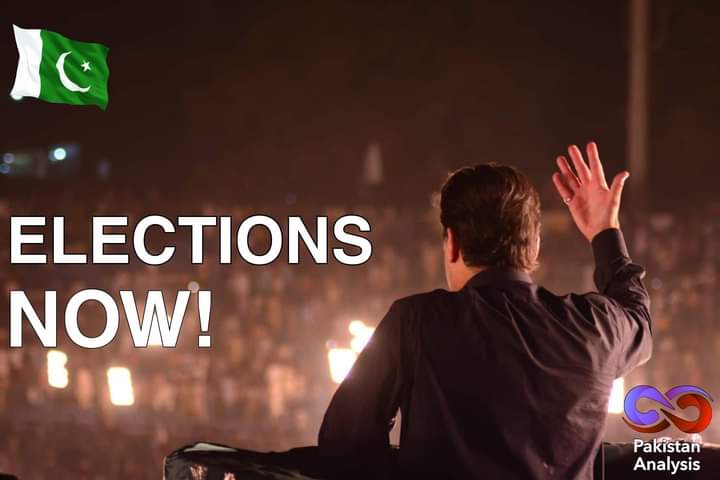
PTI leader Latif Khosa emphasized the indispensability of Imran Khan, asserting that a government without his presence would be unsustainable. He highlighted the people’s overwhelming support for Khan, reflecting their determination to influence parliamentary representation, even mobilizing from abroad to vote in favor of PTI.
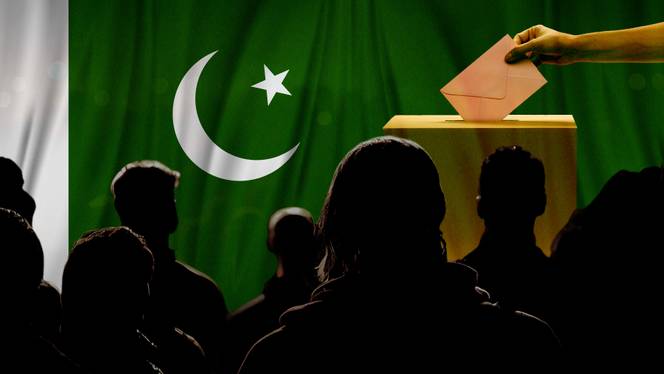
Additionally, the election outcomes revealed a surprising dynamic as PTI-aligned independent candidates, barred from running under the party’s name, secured a substantial share of seats in the National Assembly. This unexpected surge, particularly driven by youth support and the use of social media in campaigning, has reshaped the political equation.
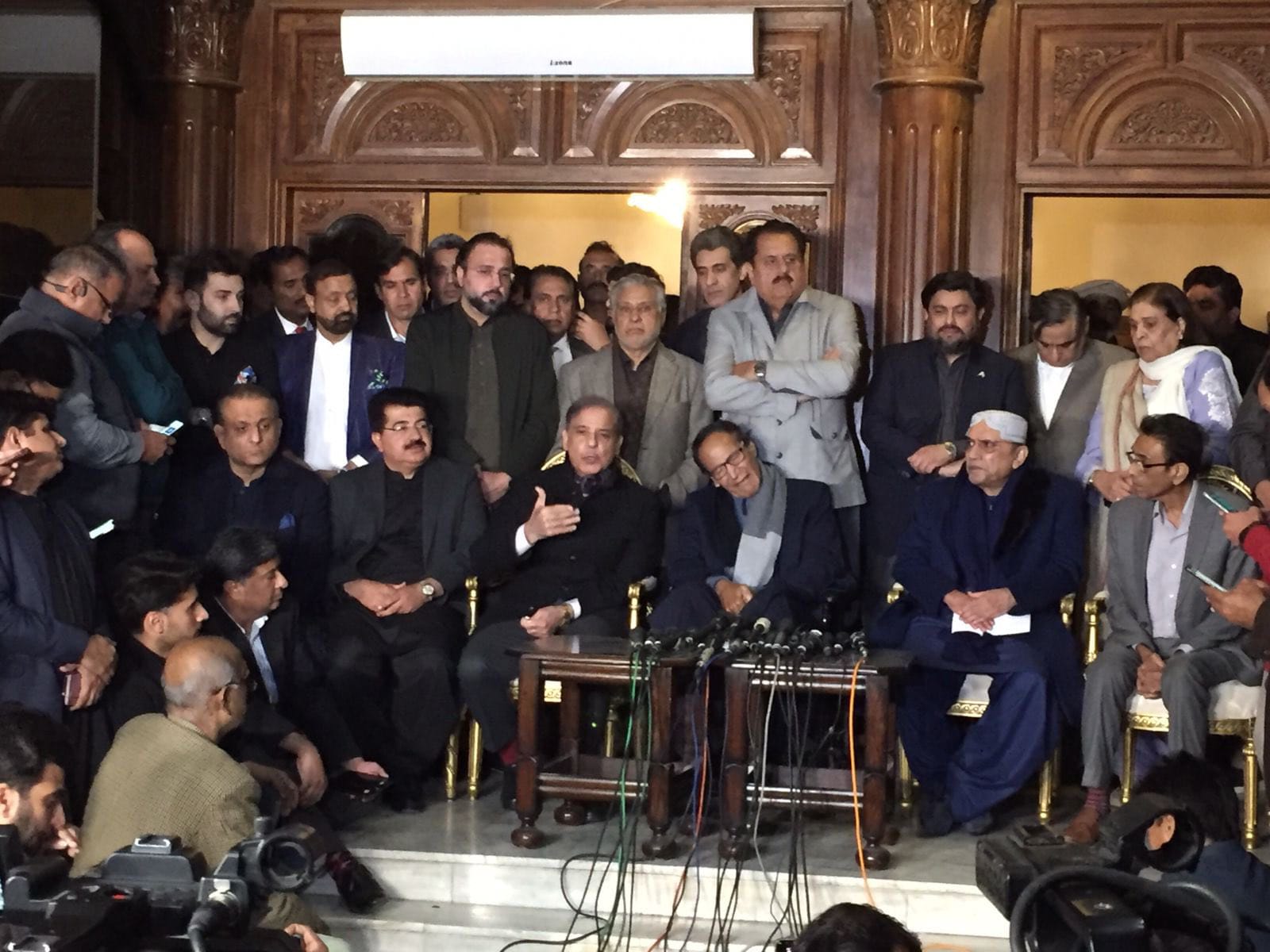
Following the elections, a coalition comprising PML-N and PPP, along with two smaller partners, has emerged to form the next government. This development, confirmed in a press conference in Islamabad, signals that Imran Khan’s PTI, despite garnering the most votes, will not ascend to power.
The consensus among rival parties to join forces for governance underscores the complexities of coalition-building in the absence of a clear majority mandate. It also reflects the strategic efforts of PML-N and PPP to navigate the post-election landscape and address the challenges facing Pakistan.
Notably, the decision to nominate PML-N’s Shehbaz Sharif as the sole candidate for prime minister within the coalition has drawn criticism from PTI, labeling the alliance as “mandate thieves.” This reaction underscores the tensions and polarization characterizing the post-election scenario.
Amidst the political maneuvering, concerns loom over the potential for a weak and unpopular coalition government, especially in the context of economic imperatives and the need for decisive policy actions. The new government is tasked with initiating “rapid and revolutionary” economic changes, as emphasized by Khan’s incarceration and the disruption of PTI’s formal candidacy.
It has been highlighted that Pakistan’s stability and growth hinge on transparent and accountable coalition formation, free from undue influence, particularly from the military. The role of the powerful military in shaping election dynamics, along with the need to engage disaffected youth from regions like Khyber Pakhtunkhwa and Balochistan, has been underscored.
Furthermore, addressing economic challenges, including tax reforms, subsidy rationalization, and restructuring state-owned enterprises, emerges as a critical priority for the incoming government. Successfully navigating international financial commitments, such as the IMF program, and assembling an effective cabinet for economic management are vital tasks.