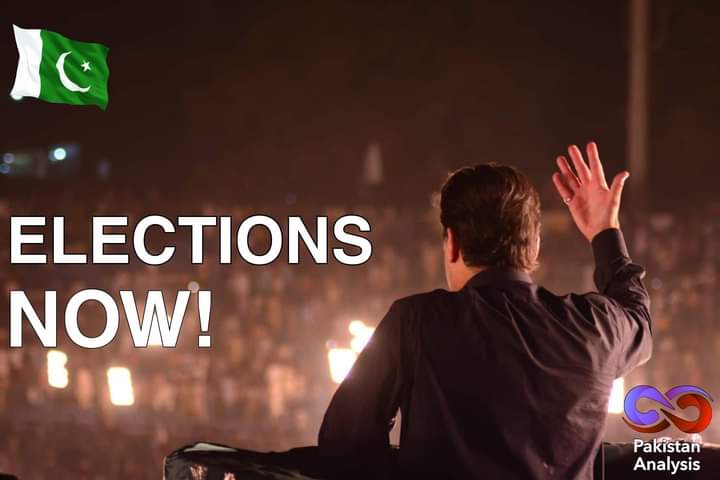
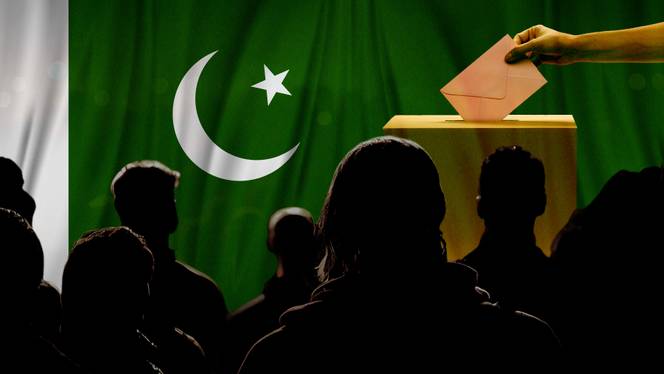
As Pakistan’s crucial national vote on Feb. 8 approaches, political parties are fervently courting the significant bloc of young voters aged 18-35, who make up 45% of the nearly 130 million strong electorate. The streets of Karachi, the commercial capital, are adorned with party flags, posters, and life-size candidate portraits, reflecting the intense competition to sway this influential demographic.
Amid last-ditch efforts through social media and rallies, parties are targeting the youth, pledging initiatives on job creation, education, and startups. This demographic surge—56.86 million young voters, up from 46.43 million in 2018—holds pivotal sway in shaping the new government.
Nonetheless, a large portion of young voters have disengaged from electoral activities despite their numbers and social media savvy. Lower voter turnout, worries about voter registration, and apathy among younger voters are indicated by a Gallup Pakistan survey.
The UN Development Program draws attention to the difficulties caused by a collapsing economy, high unemployment, and disillusionment that push many people to think about leaving the nation in search of better opportunities.
This disillusionment among the youth reflects a broader disillusionment among the electorate, encapsulated in the writings of Rehan Shamsi, which echoes the sentiments of the classic film “The Shawshank Redemption.”
In an alternate universe where the electoral process preserves integrity, elections should be a beacon of hope for change. Even so, the cyclical nature of weak governments and an erratic political landscape perpetuates a sense of pessimism.
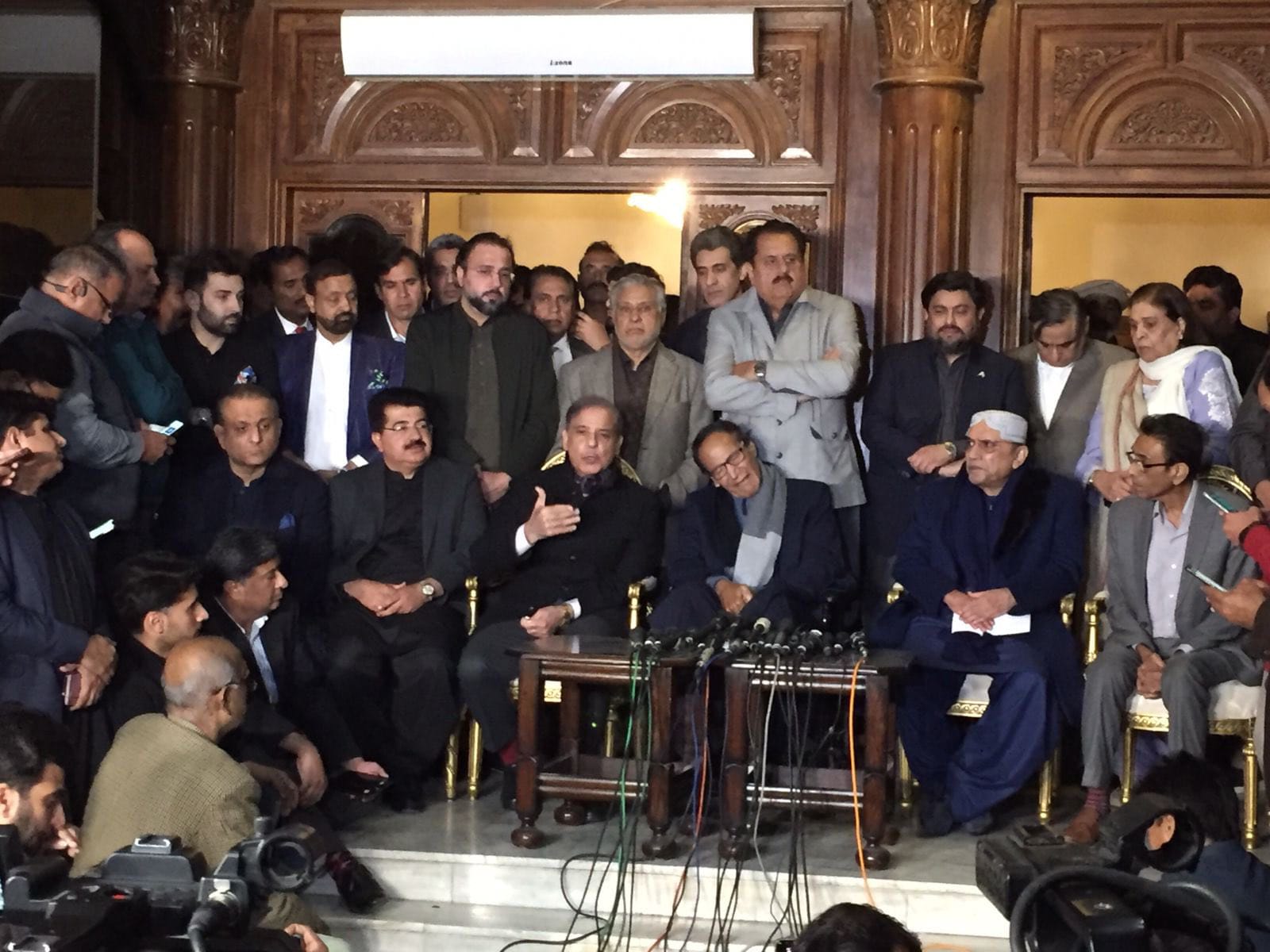
In an election rife with controversy, two young leaders, Jan and Nasir, are stepping up to challenge the status quo amid the disenchantment with the traditional political elite, who are associated with either the PPP or the PML-N. They are motivated by a passionate desire to fight the prevailing pessimism and restore faith in the sanctity of the vote, even though their prospects of winning appear remote given the established parties’ financial might and extensive grassroots networks.
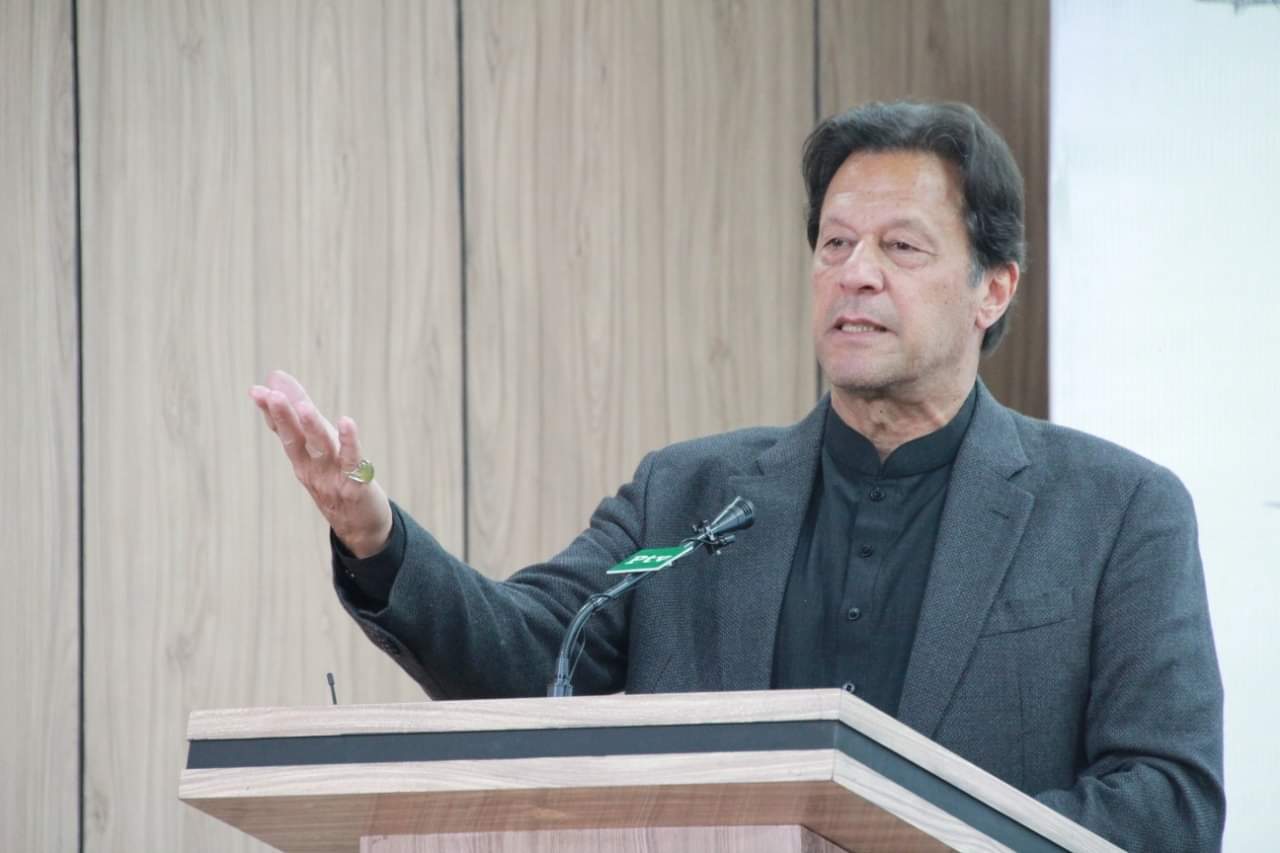
The prevailing sense of hopelessness stems from the concentration of resources in the hands of a small elite, continued military interference in the electoral process and the influence of external forces, particularly the US, in shaping Pakistan’s internal affairs. This sense of disillusionment is compounded by the challenges faced by young voters, including the ineligibility of Imran Khan, his popular choice, and the abandonment of the PTI‘s electoral brand.
Jan and Nasir are unfazed even though they are up against well-established political groups. Their opposing ideologies and difficulties as independent and left-leaning candidates are a reflection of the larger fight against the deeply ingrained taboos and conventions of the status quo. Despite being singled out, encountering obstacles, and even dealing with cases of sedition, their resolve hasn’t wavered.
In Karachi, Nasir is waging his own struggle for change, mirroring the sentiments expressed by Jan, who emphasizes the need for people to participate in the democratic process and cast their votes so that it can be revived. Yet, amid a tumultuous political landscape, young voters and the wider electorate suffer from a sense of disillusionment and lack of confidence in the prevailing political system.
The voices of Jan and Nasir in this story reflect Rehan’s feelings, having lived through Pakistan’s turbulent political past and the critical turning point of Benazir Bhutto’s rise to power in 1988. But in the current context of crises and chaos, the optimism of that era has faded and hope seems elusive.
The struggle for change and the restoration of the sanctity of the vote is also reflected in the sentiments of the younger generation, as encapsulated in the powerful quote from Andy Dufresne in “The Shawshank Redemption” – “Hope is a good thing, maybe the best of things. And no good thing truly dies.”
In the midst of a struggling economy, high unemployment rates, and a sense of disappointment, political parties are actively trying to win over young voters. These young voters make up a significant 45% of the total electorate and are being targeted through social media campaigns and election rallies.
Political parties are making enticing promises such as job opportunities, improved education, and initiatives to support startups in order to gain the support of the youth. Official data from the Election Commission of Pakistan reveals that the number of young voters has risen significantly from 46.43 million in 2018 to 56.86 million, highlighting their potential influence on the formation of the new government.
In a country where 64% of the population is below the age of 30, the feeling that one is experiencing is comparable to that of Rehan Shamsi, whose political career has been marked by Benazir Bhutto’s rise to power. However, this optimism has given way to lingering doubts and fears that another election cycle may be on the horizon. This disillusionment is further compounded by the incompetence of high-profile leaders like Imran Khan and the manipulation of electoral systems.
As Pakistan grapples with a succession of debilitated governments and a polarized political landscape, the sentiment of disenfranchisement is not limited to the youth alone. Rehan Shamsi, a seasoned participant in Pakistan’s political history, reflects on the optimism that permeated the air in 1988, heralding a critical inflection point in the country’s journey towards democracy. However, the aspirations of that era have been shattered by the recurring cycle of meaningless elections and an incapacitated government, perpetuating a sense of hopelessness.
Amidst the relentless efforts of political parties to rally support among young people through social media and rallies, the disengagement of young voters from campaigning is clear. Despite their significant presence and influence, many are disillusioned by the economic downturn, high unemployment, and widespread despair. This sentiment is driven by the fact that younger voters are less likely to turn out to vote on election day than older voters, despite making up a large proportion of the population, according to a United Nations Development Program and Pakistan Gallup poll.
The disenchantment among the youth of Pakistan is ascribed to both external and domestic factors. One reason given for the demotivation of young voters is the impact of the United States on domestic affairs in Pakistan, specifically in forming military dictatorships and economic policies.
The widespread sense of helplessness and alienation among the populace has been exacerbated by this outside meddling, as well as the concentration of wealth in the hands of a small elite and the ongoing military meddling in the electoral process.